

Your Organic Athletic Wear Guide for Real Performance
TL;DR:
- Choosing garments made from certified organic or recycled materials ensures performance and reduces environmental impact. Proper care, transparency, and verifying certifications like GOTS and OEKO-TEX help consumers make informed, sustainable choices. Matching fabric types to activity and repairing worn pieces extend garment lifespan while minimizing waste.
You want workout gear that keeps up with your training and doesn’t trash the planet. Fair enough. But the moment you start shopping for organic athletic wear, you hit a wall of confusing certifications, vague “eco-friendly” claims, and fabrics that sound great on paper but fall apart after ten washes. This organic athletic wear guide cuts through that noise. You’ll learn which materials actually perform, what certifications mean (and what they don’t), how to match your gear to your workouts, and how to care for it so it lasts far longer than a single season.
Table of Contents
- Key takeaways
- Organic and sustainable fabrics worth knowing
- Decoding certifications and chemical safety
- Choosing gear that matches your workout
- Caring for and recycling your gear
- My honest take on the sustainable activewear market
- Shop certified organic activewear at M23
- FAQ
Key takeaways
| Point | Details |
|---|---|
| Match fabric to activity | Use organic cotton or bamboo for yoga and walking; choose certified recycled synthetics for high-intensity training. |
| Certifications are not equal | GOTS covers fiber sourcing; OEKO-TEX Standard 100 tests chemical safety across every garment component. |
| PFAS-free claims need proof | Only brands offering third-party, component-level testing can back up PFAS-free marketing with real data. |
| Care extends garment life | Cold washing, air drying, and mesh laundry bags protect fibers and reduce microplastic pollution. |
| Durability beats volume | Buying fewer, higher-quality certified pieces generates less waste than refreshing your kit every few months. |
Organic and sustainable fabrics worth knowing
Not all eco-friendly activewear starts from the same place. The fiber matters, the processing matters, and the blend ratio matters. Here is a clear breakdown.
Natural and botanical fibers
Organic cotton requires significantly less water and no synthetic pesticides, which benefits both soil health and the workers who grow it. For athletic wear, it excels in breathability and softness, making it the right choice for yoga, walking, and casual training. The trade-off is moisture retention. Organic cotton holds sweat against the skin during high-output sessions, which becomes uncomfortable quickly.
Bamboo and hemp are the other botanical options you’ll encounter. Bamboo-derived fabric (usually processed into viscose or lyocell) is naturally antimicrobial and moisture-wicking. Hemp is one of the most environmentally resilient crops on earth, requiring almost no irrigation or pesticides. Both work well for low-to-moderate intensity activities. Neither offers the four-way stretch you need for intense compression or sprint training.
Bio-based and recycled synthetics
This is where sustainable fitness clothing gets genuinely interesting. Tencel Lyocell and bio-based nylon reduce carbon emissions by up to 75% compared to petroleum-based synthetics, while delivering real moisture management. For runners, cyclists, and HIIT athletes who need wicking and odor resistance, these materials close the gap between performance and conscience.
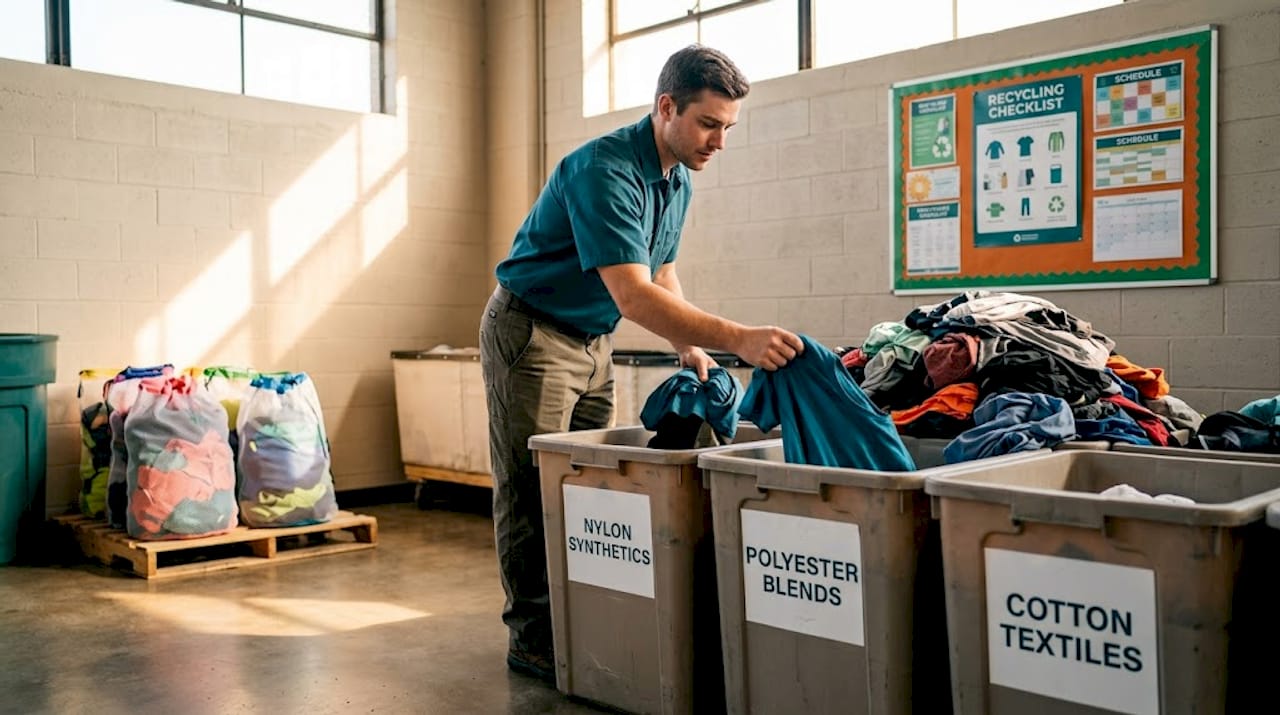
Recycled polyester and recycled nylon repurpose plastic waste into high-function fabric. They carry a lower carbon footprint than virgin synthetics while preserving the stretch, durability, and fast-dry properties your workouts demand.
| Fabric | Best for | Environmental edge | Performance limit |
|---|---|---|---|
| Organic cotton | Yoga, casual training | Low water use, no pesticides | Holds moisture during intense workouts |
| Bamboo lyocell | Moderate activity, travel wear | Renewable crop, low land impact | Limited durability under abrasion |
| Hemp | Light training, loungewear | Minimal water, no pesticides | Stiff feel; limited stretch |
| Tencel Lyocell | Running, HIIT layers | Bio-based, low-emission process | Can be delicate if care is poor |
| Recycled nylon | High-intensity, compression wear | Diverts plastic waste, low carbon | Microplastic shedding risk |
What about elastane?
Most athletic wear includes a small percentage of elastane (spandex) for stretch and shape retention. Conventional elastane is petroleum-based. Bio-based elastane made from plant-derived sugarcane is now available and increasingly used by brands committed to truly organic workout outfits. Look for blends that specify bio-based or plant-derived elastane on the label.
Decoding certifications and chemical safety
Buying athletic wear made from organic materials means nothing if the fabric was processed with toxic chemicals. This is where most shoppers get caught off guard.
What OEKO-TEX Standard 100 actually covers
OEKO-TEX certification tests every garment component, not just the main fabric. That includes trims, zippers, buttons, elastic bands, and labels. The scope matters because harmful substances often enter garments through these overlooked parts.
Starting in 2024, OEKO-TEX Standard 100 limits total fluorine to 100 mg/kg and bans intentional PFAS use in certified products. PFAS (per- and polyfluoroalkyl substances) are synthetic chemicals used in some water-repellent finishes, and they do not break down in the environment or the body.
GOTS versus OEKO-TEX: not the same thing
The Global Organic Textile Standard (GOTS) certifies the entire supply chain, from farm to finished product, verifying that fibers are organically grown and that social and environmental standards are met throughout processing. OEKO-TEX Standard 100 is focused specifically on chemical safety in the final product. Both matter and they answer different questions.
- GOTS tells you where the fiber came from and how workers were treated
- OEKO-TEX Standard 100 tells you what chemicals remain in the garment you wear
- Bluesign focuses on resource efficiency and chemical safety in manufacturing; from 2025, Bluesign requires products to be free from intentionally added PFAS except for essential uses
- USDA Organic applies to fiber only and does not verify processing or finished product safety
The problem with “PFAS-free” labels
This is the part most brands skip in their marketing. PFAS-free labels without independent testing may not guarantee actual absence of these compounds. The reason is technical but worth understanding. Total Fluorine testing is a useful screening tool, but high TF results require confirmatory analysis to confirm whether detected fluorine is from genuinely hazardous PFAS or from non-toxic fluorine compounds.
A brand can test for total fluorine and pass without running the confirmatory tests that detect specific PFAS compounds. True assurance requires component-level, third-party verified testing across the entire garment.
Prioritize brands that publish full transparency reports, not just marketing badges.
Choosing gear that matches your workout
This is where an organic athletic wear guide gets practical. The best eco-friendly activewear for one athlete is the wrong choice for another, and the deciding factor is almost always activity type.
Low-impact activities: yoga, walking, pilates
Organic cotton and bamboo lyocell are the right call here. Your sweat rate is manageable, breathability matters more than moisture-wicking speed, and softness against the skin makes a real difference during long hold positions. Organic cotton for low-impact training delivers comfort, and the biodegradability of natural fibers means your garment has a cleaner end-of-life story.
For these activities, look for organic cotton leggings and tops with at least a small percentage of bio-based elastane so you get the range of motion you need without relying on petroleum-based stretch.
High-intensity training: running, HIIT, cycling
Here, performance requirements are non-negotiable. You need moisture management, odor resistance, and shape retention through repeated washing. Certified recycled nylon blends and Tencel Lyocell step up here. Both match fabric to activity type in ways that serve both your body and your sustainability goals.
The numbered approach to building a high-intensity eco-friendly kit:
- Start with a certified recycled nylon or recycled polyester base layer for direct skin contact. Check for Bluesign or OEKO-TEX certification.
- Add a Tencel Lyocell mid-layer if your activity involves variable temperature environments, such as outdoor running in spring or fall.
- Choose a water-repellent outer layer only if needed for your climate. Confirm the repellent coating is PFAS-free with actual test documentation, not just a label claim.
- Verify bio-based elastane content in any compression piece you buy. This detail is usually in the care label or product spec sheet.
- Do not assume “recycled” means fully sustainable. Ask whether the brand uses third-party certification for the recycled content claim.
Pro Tip: When washing recycled synthetic fabrics, use a mesh laundry bag. Mesh bags reduce microplastic shedding from recycled polyester and nylon, keeping those particles out of waterways.
Durability and biodegradability trade-offs
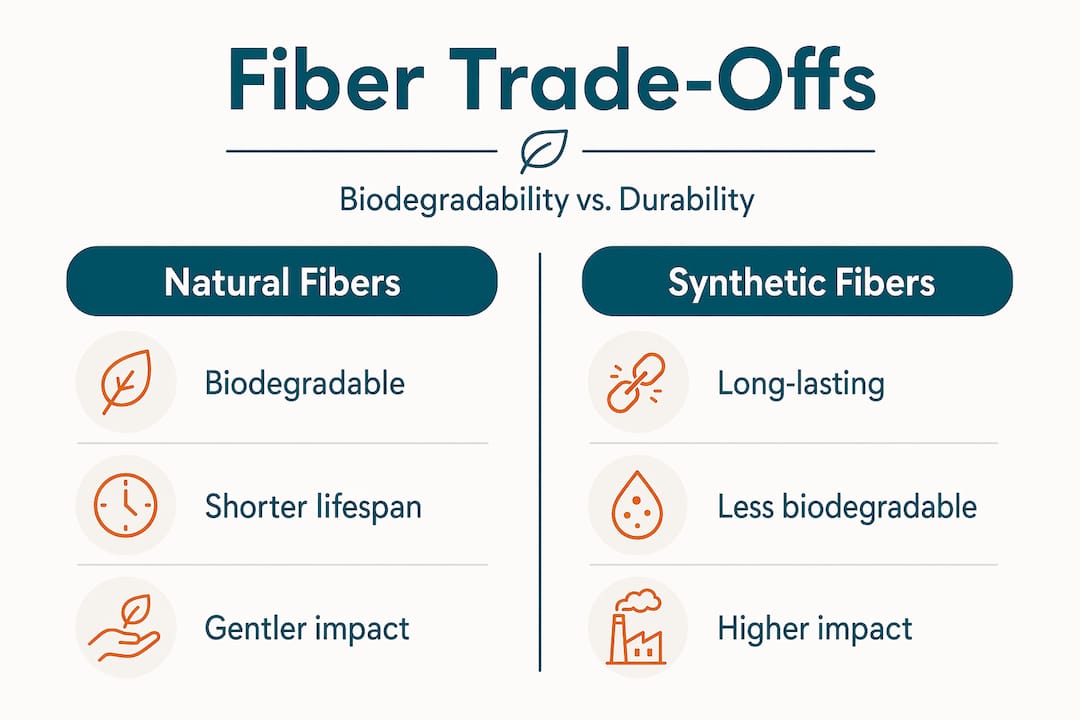
Natural fibers biodegrade faster but wear out sooner under repeated high-intensity use. Synthetic fibers last longer but pose end-of-life challenges. The most practical answer is to match fiber type to use case, care for every piece correctly, and plan for responsible disposal before you buy.
Caring for and recycling your gear
The most sustainable garment is the one you already own, well cared for and kept in use as long as possible. Here is how to get the most out of your investment.
Washing and drying:
- Wash in cold water. Hot water degrades elastic fibers and fades color faster.
- Air dry whenever possible. Tumble drying shortens the life of both natural and synthetic fibers.
- Use a mesh laundry bag for any synthetic or blended garment to reduce microplastic release.
- Avoid fabric softeners. They coat fibers, reducing moisture-wicking performance and trapping odors over time.
Detergent matters more than you think. Standard detergents often contain surfactants and synthetic fragrances that degrade organic fibers and leave chemical residue. Choose a certified plant-based or phosphate-free detergent for your athletic wear.
Pro Tip: Spot-clean workout gear immediately after use when possible. This reduces the total number of full machine washes needed per garment, extending fiber life and saving water.
Repair before you replace. A worn seam or small hole does not mean a garment is finished. Most sportswear repairs take under ten minutes with a basic sewing kit or a fabric repair tape patch. Brands that offer repair programs and take-back for recycling extend garment life and reduce fashion waste significantly.
For end-of-life decisions, consult M23’s sportswear recycling guide before tossing anything out. Many pieces that seem worn out are actually candidates for textile recycling programs or creative reuse.
| End-of-life option | Best for | What to check |
|---|---|---|
| Brand take-back program | Certified organic or recycled pieces | Whether brand recycles or just disposes |
| Textile recycling drop-off | Blended fabrics | Local availability; not all accept synthetics |
| Repair and continue use | Structurally sound garments | Seams, elastane integrity, fabric pilling |
| Composting | 100% natural fiber garments (no dyes) | Must be truly undyed and unblended |
My honest take on the sustainable activewear market
I’ve looked at a lot of brands making sustainability claims, and the pattern is consistent. The marketing is usually far ahead of the verification. Brands lean on broad certifications that sound rigorous but don’t always cover the specific chemicals that matter most to someone working up a sweat in close contact with a garment for an hour every day.
What I’ve learned is that the most trustworthy brands publish actual test results, not just certification badges. They name the labs. They specify which components were tested. That level of transparency is rare, and when I find it, it tells me something real about how a company operates.
My honest advice is to slow down your purchasing decisions. One well-made, certified piece that lasts three years is a better environmental choice than five cheap “sustainable” items that pill, fade, and end up in a landfill by next spring. The guide to sustainable sportswear I keep returning to is simple: buy less, verify more, and demand proof over promises.
The PFAS issue in particular deserves more consumer attention than it gets. You are wearing this gear against your skin during your most physically demanding moments. That is not the place for ambiguous chemical safety claims. Demand the documentation.
— M23
Shop certified organic activewear at M23
If this guide has clarified what you’re looking for, the next step is finding brands that back their claims with proof. At M23, every piece in our activewear range is made from certified organic and recycled materials, produced under fair labor conditions in Berlin and Poland.

Our sustainable activewear collection is built for athletes who want performance and a clean conscience. You won’t find vague eco-claims here. Every product lists its certifications, materials, and sourcing so you can buy with confidence. For a deeper look at what’s driving the next generation of eco-friendly athletic wear, explore our breakdown of sustainable apparel trends in 2026. And if you want a broader overview before committing to a purchase, our eco-friendly sportswear tips are a practical place to start.
FAQ
What certifications should I look for in organic athletic wear?
Look for GOTS for organic fiber sourcing, OEKO-TEX Standard 100 for chemical safety across all garment components, and Bluesign for responsible manufacturing. Each covers different parts of the supply chain, so the strongest products carry more than one.
Is recycled polyester really eco-friendly?
Recycled polyester uses less energy and diverts plastic waste compared to virgin polyester, but it still sheds microplastics during washing. Using a mesh laundry bag during every wash significantly reduces how much of that plastic reaches waterways.
Can I trust PFAS-free labels on activewear?
Not without additional proof. PFAS-free claims without independent, component-level testing may not reflect actual chemical absence. Look for brands that publish third-party lab results rather than relying solely on self-reported labels.
What fabric is best for high-intensity workouts?
Certified recycled nylon blends and Tencel Lyocell are the top choices for high-intensity training. They manage moisture, resist odor, and carry a significantly lower carbon footprint than conventional petroleum-based synthetics.
How do I make my organic athletic wear last longer?
Wash in cold water, air dry, use a mesh laundry bag for synthetics, and skip fabric softener. Repairing small damage early and spot-cleaning after workouts reduces full wash cycles and extends the life of every garment.